
Cleaning machine tools
Cleaning machine tools in practice
Machine tools carry out demanding machining processes in which the highest precision often matters. Contamination from chips, burrs, abrasion and dried-on cooling lubricants increases the error rate and rejects, reduces service life and machine availability, and causes more frequent repairs. As unpopular as the job may be in practice – cleaning pays off.
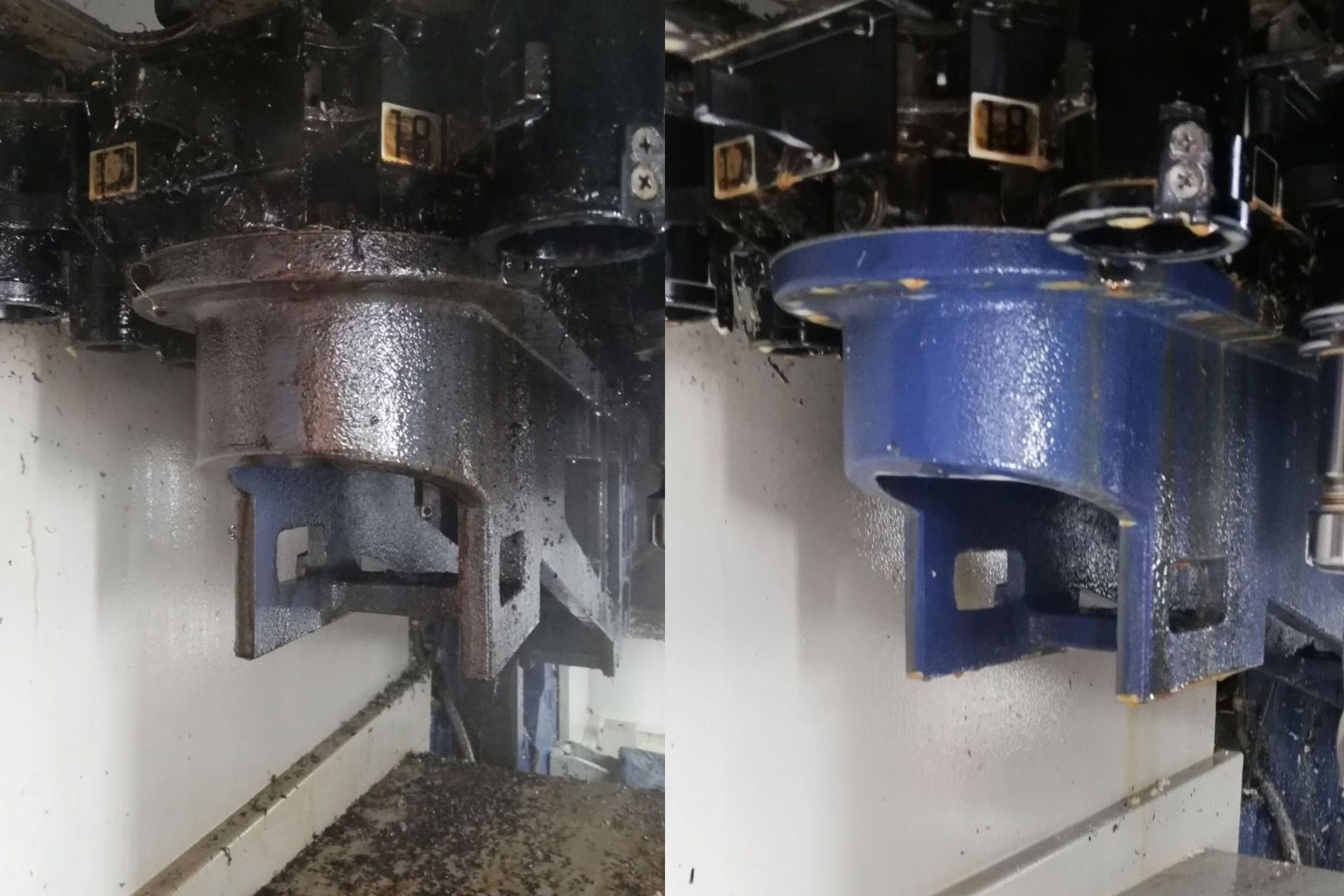
Special challenges in cleaning machine tools
In practice, cleaning machine tools is often a purely manual process, where “scrubbing” is done by hand inside the machine tool with rags and cloths, frequently also with the help of detergents (“machine cleaners”). That is an exceptionally unpleasant job for the respective employees, but it is also questionable in terms of occupational safety, and finally there are repeated instances of damage to the machine tool, from scratched paint layers through the introduction of foreign substances into the cooling lubricant to imbalances and damaged spindles.
Special challenges repeatedly arise from the complex geometries with narrow gaps and rotating parts. Modern machine tools also contain sensitive electronics, seals and precision parts that must not be damaged. Therefore, on the one hand a gentle cleaning has to be ensured, on the other hand rust and corrosion have to be avoided. Finally, cleaning may only cost little time in order to reduce the downtimes of the machine tools – a machine tool often produces components worth several hundred euros per hour, and if such a machine cannot produce for two days, that quickly amounts to several thousand euros.
Incidentally, cleaning processes may only consume few resources, and occupational safety as well as the legal environmental requirements have to be taken into account.
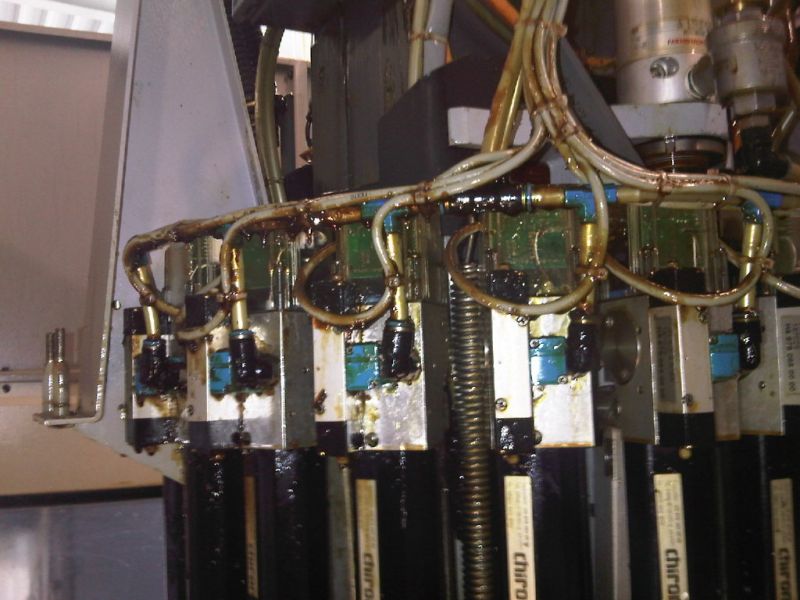
Conventional methods for cleaning machine tools – advantages and disadvantages
Many operations traditionally rely on mechanical cleaning, i.e. by hand with brush, rags and cloths, sometimes even with wire brushes. That is simple and, on the face of it, cost-effective, but it carries the risk of scratches and incomplete cleaning, and requires a high time expenditure.
Chemical cleaning processes such as brake cleaner and machine cleaner can loosen stubborn contamination effectively and be used flexibly, but they bring health and environmental risks as well as considerable disposal costs. Above all, however, (more or less uncontrolled) foreign substances are introduced into the cooling lubricant, which can impair its functionality.
Cleaning with high pressure – this also happens – can generally only be advised against: there are repeated instances of (often barely noticeable) damage to seals, measuring instruments, precision mechanics or, in general, to sensitive elements, and manual reworking is almost always required.
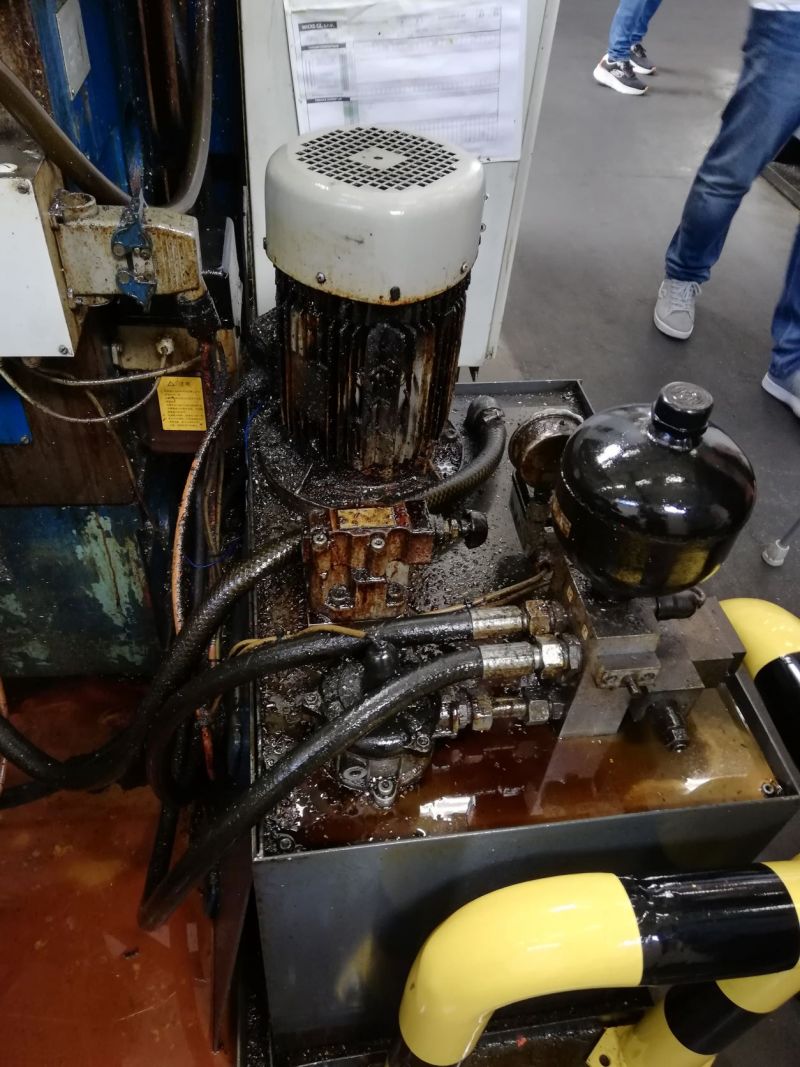
Cleaning machine tools with low-pressure hot-water units from ph-cleantec
The operating principle of ph-cleantec low-pressure hot-water cleaning combines high temperatures with low pressure. Through the high temperatures of up to 95°C, oily and greasy contamination in particular is loosened effectively. The low pressure of 7.5 or 14 bar is sufficient to carry contamination away effectively, but at the same time prevents damage to the sensitive components. In addition, with the ph-cleantec method, machine tools are cleaned with their own cooling lubricant, which can be drawn directly from the tank of the machine tool. This avoids any foreign introduction – from breadcrumbs to brake cleaner.
Cleaning with ph-cleantec – before and after
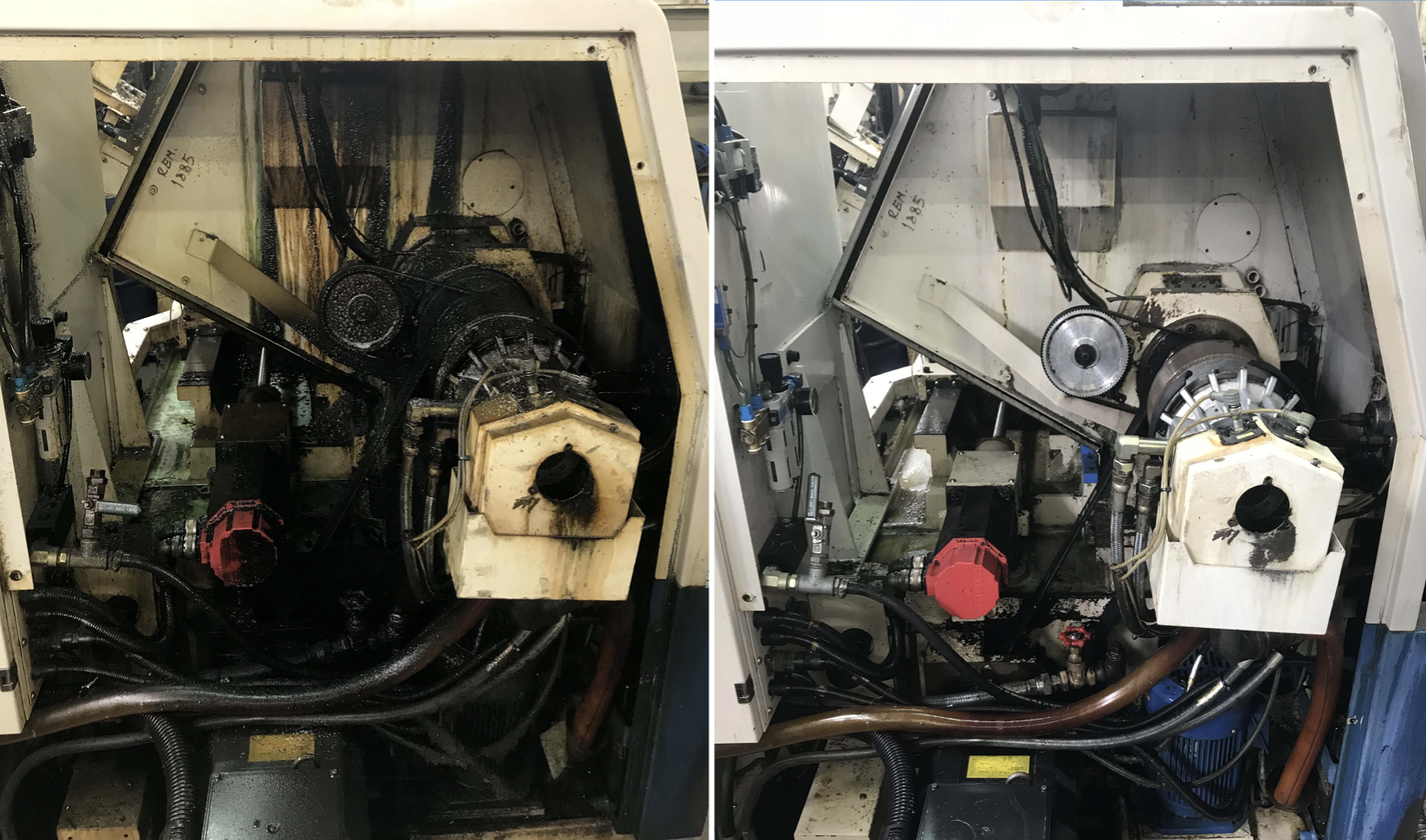
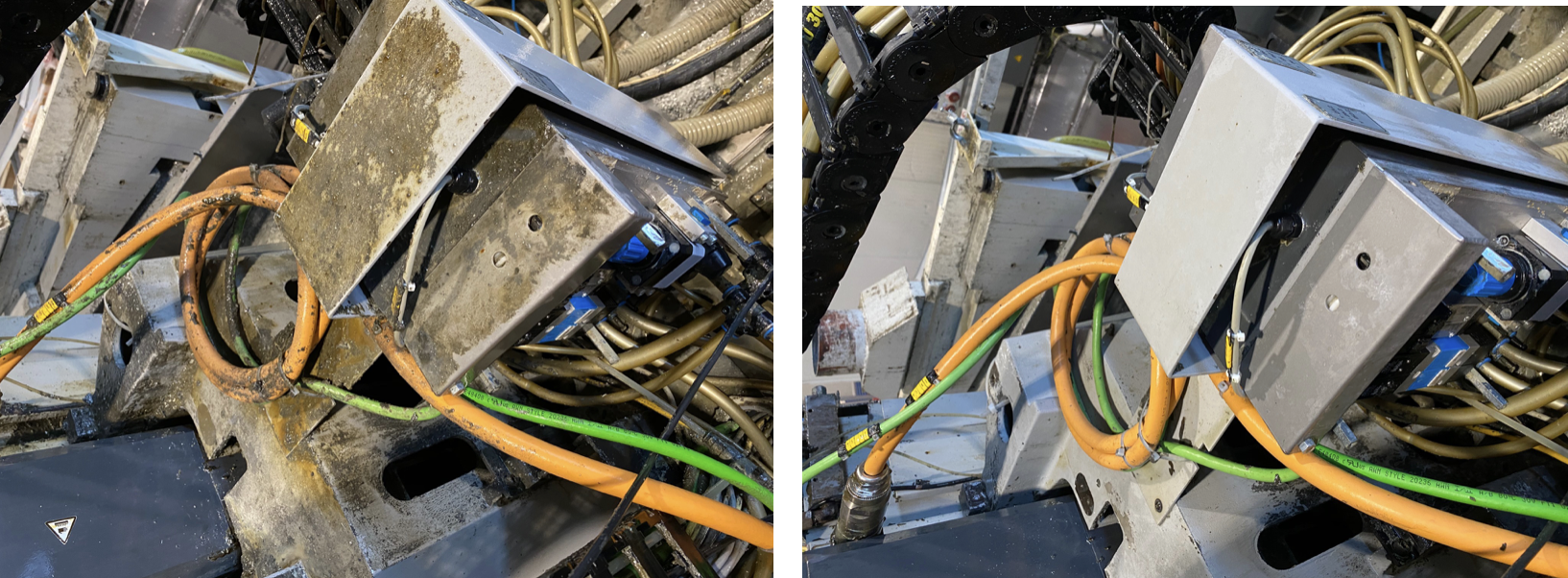
The benefits are obvious:
- Fast and yet particularly thorough cleaning – often two hours instead of two days by hand
- No damage to the sensitive parts such as seals, bushings, electronics and precision parts
- No foreign introduction whatsoever, since cleaning is done with the machine’s own cooling lubricant – no breadcrumbs, no lettuce leaves, no brake cleaner
- Shorter downtimes of the machine tools
- Environmentally compatible and health-friendly, since no chemicals required
- Usually excellent economy, since savings in working time, downtime, costs for chemicals and disposal, as well as fewer repairs
The method is flexibly scalable and can be applied to the most varied machine types such as turning and milling centres, metal-sawing, honing and grinding machines or machining centres in general. There are also oil-based machines built specially for machine tools that work with cutting oils.
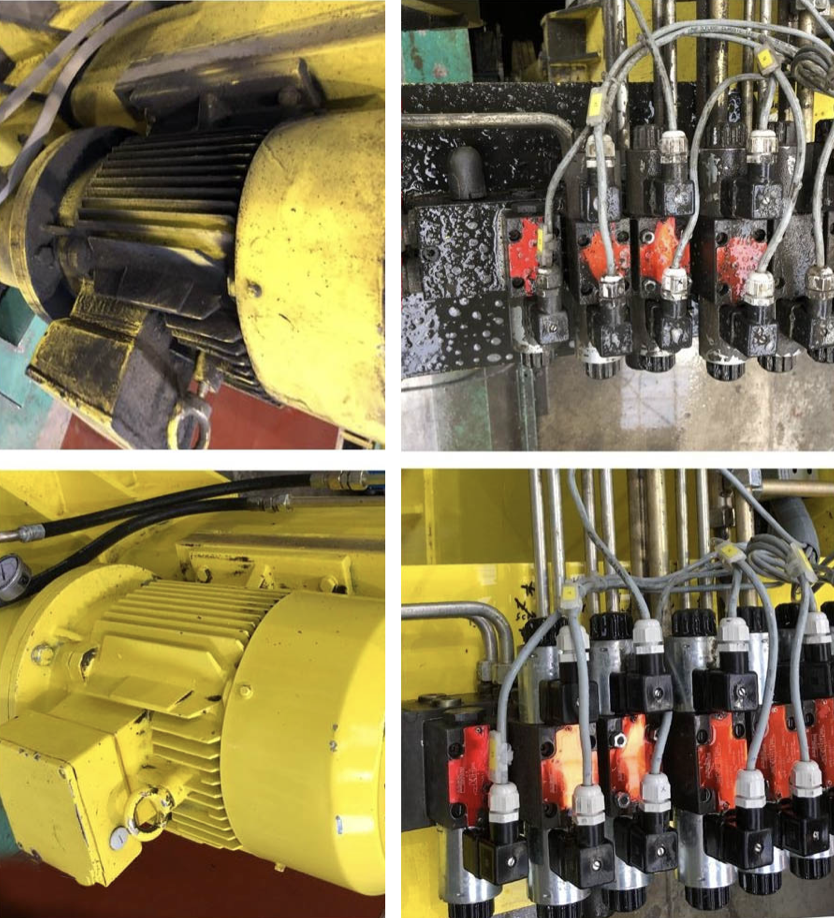
Which units?
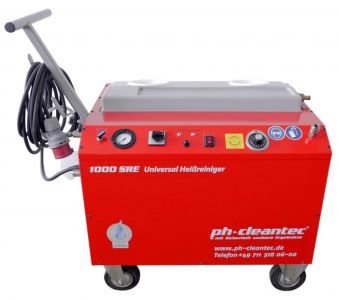
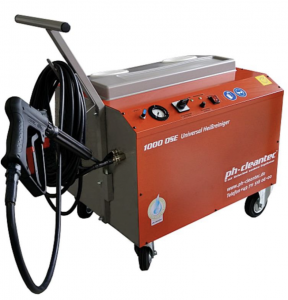
For cleaning machine tools we recommend our 1000 SRE (up to 7.5 bar, 16 A) or the 1500 SRE-DP (up to 14 bar, with 32 A). For oil-based units we have developed the 1000 OSE.
With a so-called suction, the 1000 SRE and the 1500 SRE-DP can draw the cooling lubricant directly from the tank of the machine tools. This makes work easy and pleasant, and no foreign substances can be introduced.
Cleaning machine tools with ph-cleantec – test it now!
With the innovative ph-cleantec units you can clean your machine tools quickly, thoroughly and gently. The units are environmentally friendly and user-friendly, and generally pay for themselves in a short time through the saving in working time and machine downtime alone.
If you too want to benefit from this innovative method, request a free demonstration at your premises – we are happy to show you how our units work.
You will find suitable videos for this application in our video section.
The same low-pressure hot-water process is ideal for the entire machine cleaning in production and maintenance.
Test your parts in a free demonstration
We clean with your specific contamination on site – so you see the result directly.
Request a free demonstrationCalculate amortisation for your case