
Cleaning in mineral water bottling
REQUIREMENTS
Mineral water has to be bottled directly at the source; transport to external bottling plants is not permitted. In the bottling plants, cleaning is generally carried out with stationary medium-pressure techniques with the addition of foaming acidic cleaners and alkaline passivators.
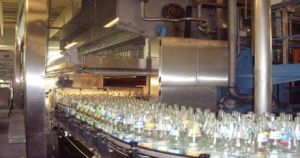
As a rule, glass or PET bottles from the deposit system are used and refilled. These bottles are cleaned and inspected for breakage or remaining contamination. During cleaning, any labels from the previous filling are also removed. Defective or soiled bottles are rejected.
OUR SOLUTION
Low-pressure hot-water cleaning works with pressures of only 3–7.5 or 3–14 bar as well as high temperatures of up to 95°C. This low pressure is sufficient to rinse off contamination; at the same time, damage to sensitive machine parts is avoided. The enormous cleaning effect is primarily due to the high temperatures. These are ideal for cleaning greasy and oily residues of vegetable and animal origin.
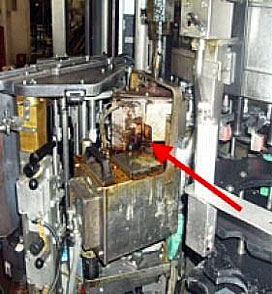
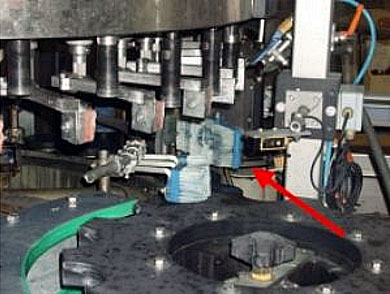
Especially when cleaning sensitive system parts such as the labelling station and the lifting columns with the nozzle systems for filling, our technology achieves better effects through higher temperature and lower pressure than the existing technology. The latter would even be counterproductive and damaging here.
Because of their particularly high hygiene standards, stainless-steel units are used in most cases in the food industry. Here it is also relevant that our method at 95°C develops a disinfecting effect.
YOUR BENEFITS
- Efficiency/quality: Fast and thorough cleaning. With the right spray accessories, also easy cleaning of hard-to-reach or sensitive areas, e.g. at the rollers of conveyor belts, electric motors, labelling machines.
- No damage to sensitive parts thanks to the low pressure.
- Optimal accessibility: Units are mobile and largely self-contained, and can be moved from one place of use to the next.
- Easy cleaning in production: minimal splash-back effects, no droplet clouds, no aerosols and much more.
- Cleaning medium: Water or deionised water, without added chemicals. Therefore:
- No contamination risk.
- Low costs for procurement and disposal.
- Spontaneous use in an emergency possible at any time, even without the cleaner used in the central system.
- Occupational and environmental protection, chemicals: No chemicals; this spares the environment, increases occupational safety and reduces costs.
- Economy: Considerably less working time when cleaning, considerably fewer resources, no damage, no belt stoppages, no chemicals.
- Overall: Comparatively low investment and hardly any running costs, but in return high efficiency and quality.
SEE ALSO
Cleaning in a fruit-juice operation
DOWNLOAD
Cleaning in mineral water bottling (PDF)Test your parts in a free demonstration
We clean with your specific contamination on site – so you see the result directly.
Request a free demonstrationCalculate amortisation for your case