
Cleaning in the large-scale bakery
REQUIREMENTS
When cleaning in industrial bread production, a distinction has to be made between very different tasks. As a basic statement, it can be said that all parts coated with the bread dough as raw mass are cleaned with high-pressure cleaners and appropriate chemicals, while the entire systems have to be cleaned with individual techniques.
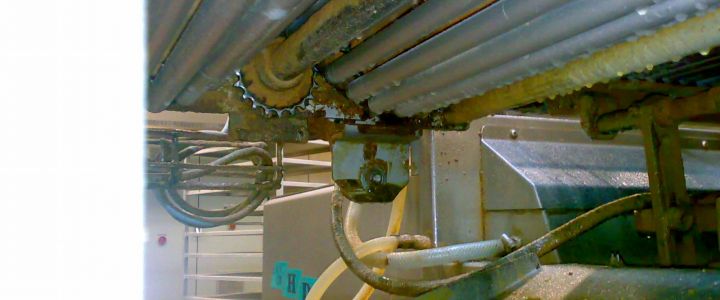
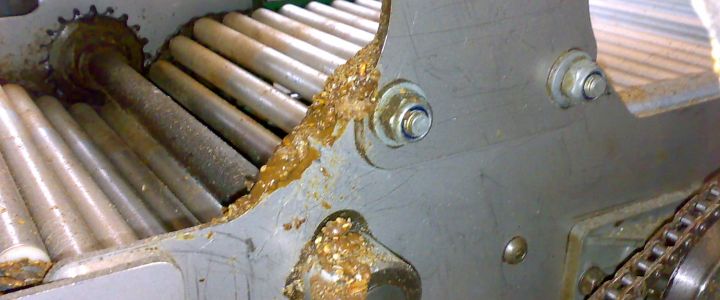
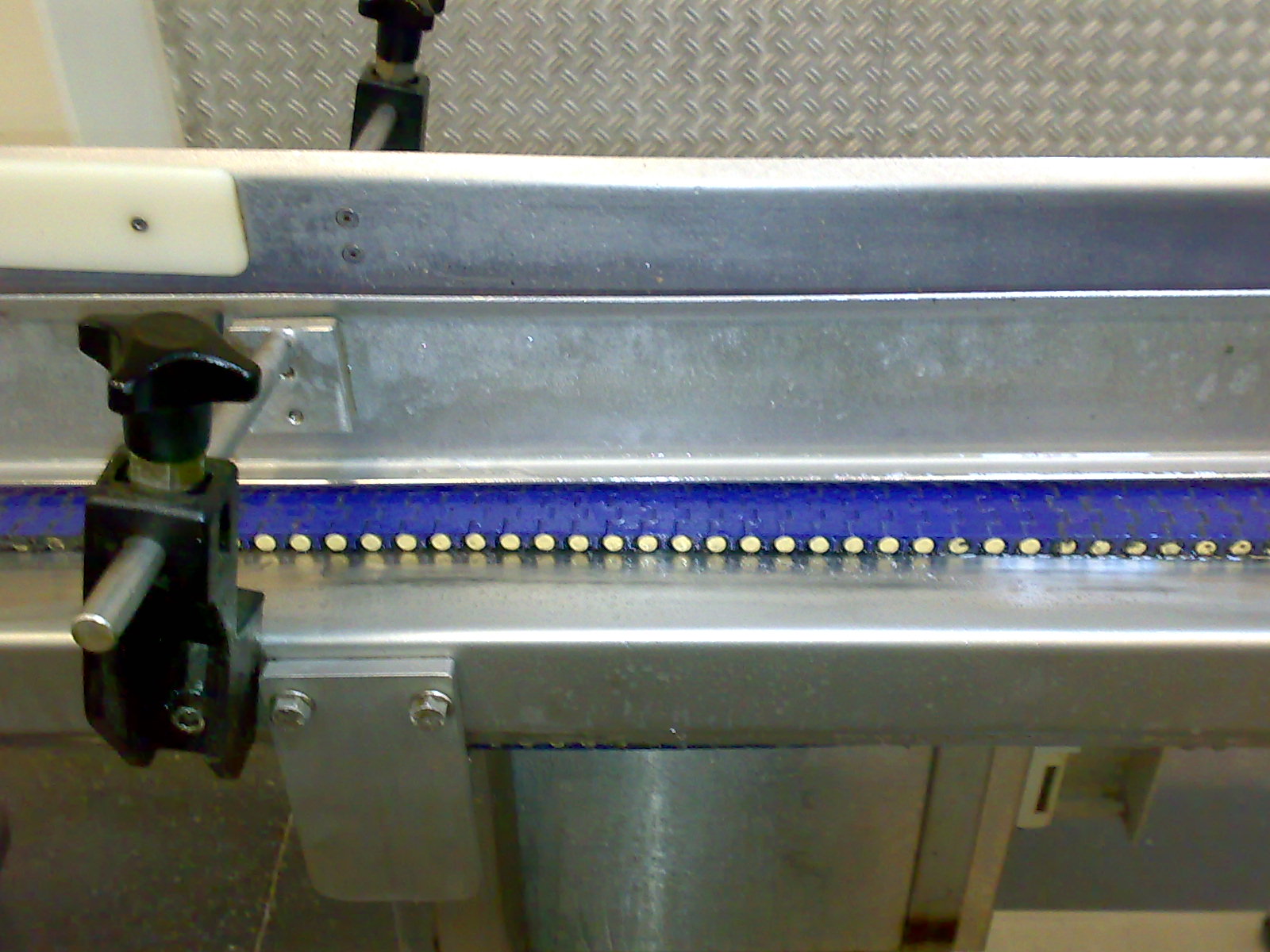
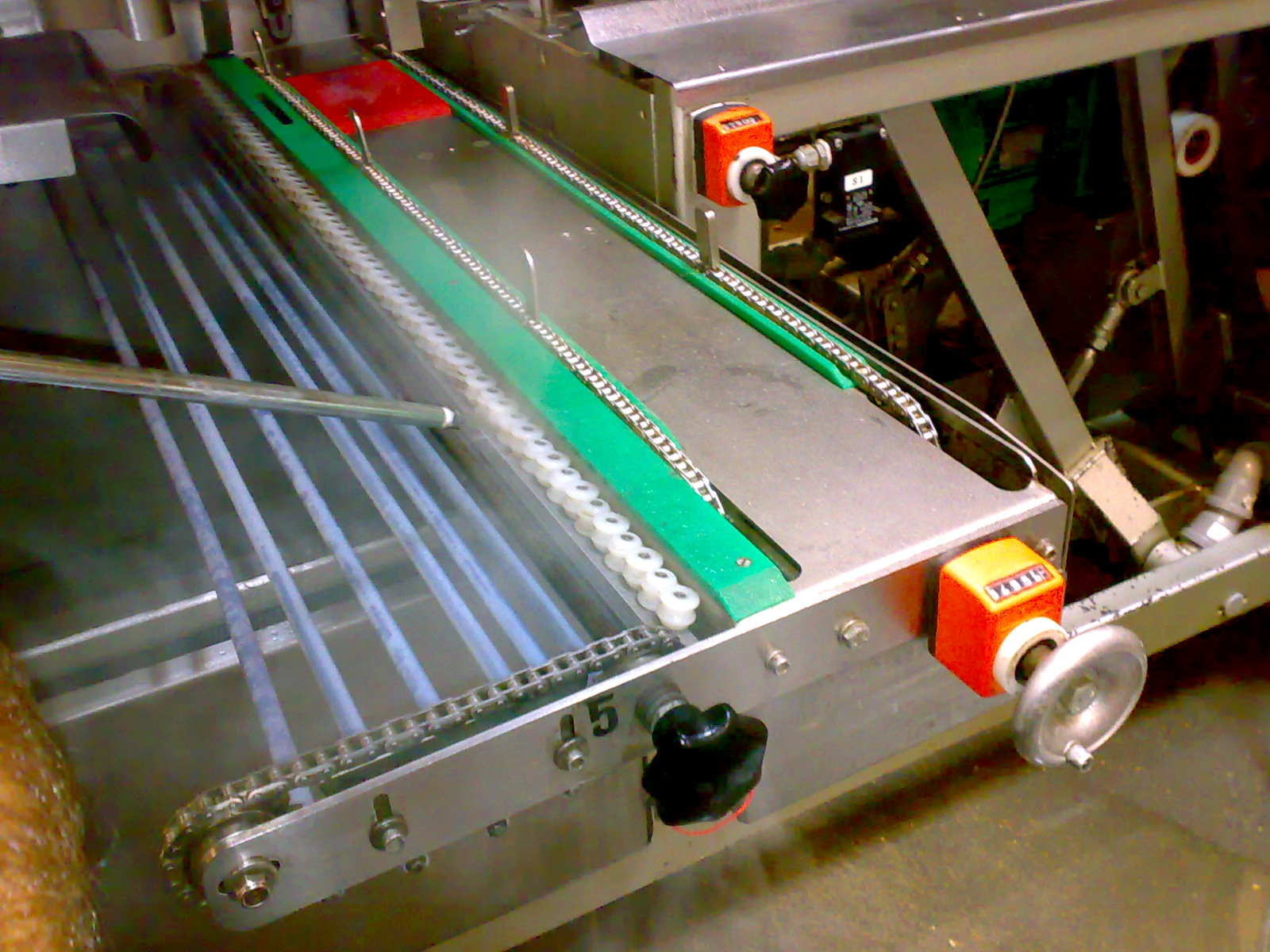
The system parts we cleaned were cutting machines with packing tables, so-called packers, conveyor systems after the ovens etc. All parts were coated with vegetable oils (soya oil, sesame oil, linseed oil etc.) as well as breadcrumbs, in some cases in combination and baked on. In addition, conveyors coated with flour dough were cleaned.
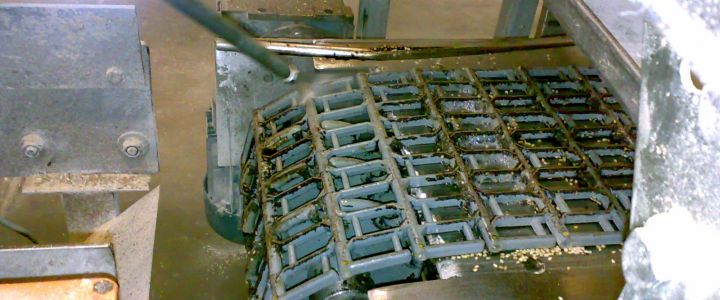
Furthermore, bread-slicing and packing systems for sliced goods were cleaned that were coated with edible oils and breadcrumbs and had up to now been cleaned with compressed air and cloths (!).
Conveyor belts: cleaned gently, in an environmentally friendly way, and highly efficiently

OUR SOLUTION
The low-pressure hot-water process works with low pressure of 3–7.5 or 3–14 bar and high temperatures of up to 95°C. The pressure is sufficient to rinse off contamination, but the cleaning effect comes primarily from the high temperatures and is therefore ideal for greasy and oily residues such as sesame and linseed oil, but also for flour, sugar and caramel.
In the concrete case of a large-scale bakery in Baden-Württemberg, all the cleaning tasks tested could be solved without any problem with our process. No chemicals were used; work was carried out exclusively with water!
Experience shows that, especially for larger areas and/or firmer contamination, the option of working with a little more pressure makes absolute sense. For the applications mentioned, we therefore recommend our double-pump units 1500 SR-DP or 1500 SRE-DP as a matter of principle.
The run-off water was felt to be unproblematic, since the floors of all areas ultimately have to be cleaned anyway. Alternatively, appropriate collecting trays are available.
Because of their particularly high hygiene standards, stainless-steel units are used in most cases in the food industry. Here it is often also relevant that our method at 95°C develops a disinfecting effect.
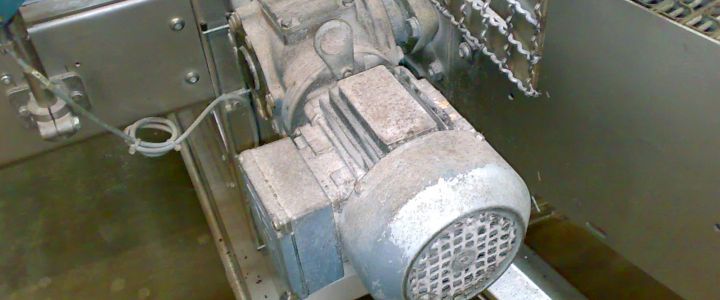
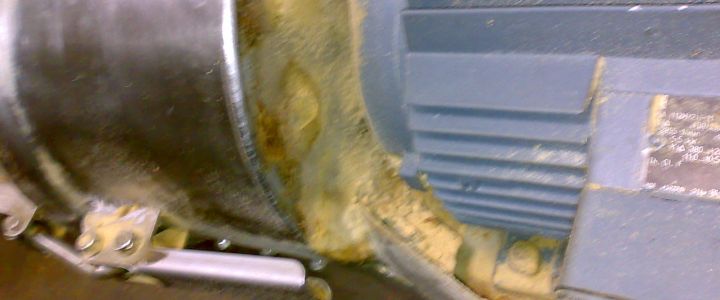
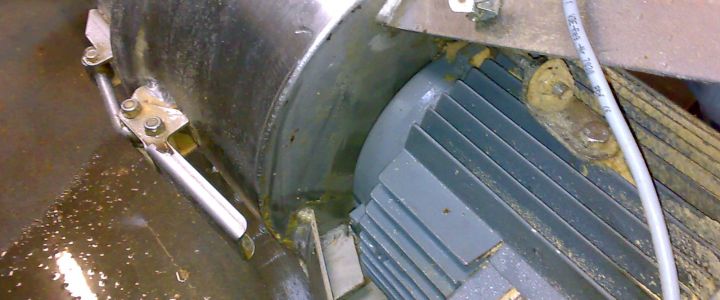
Electric motors
YOUR BENEFITS
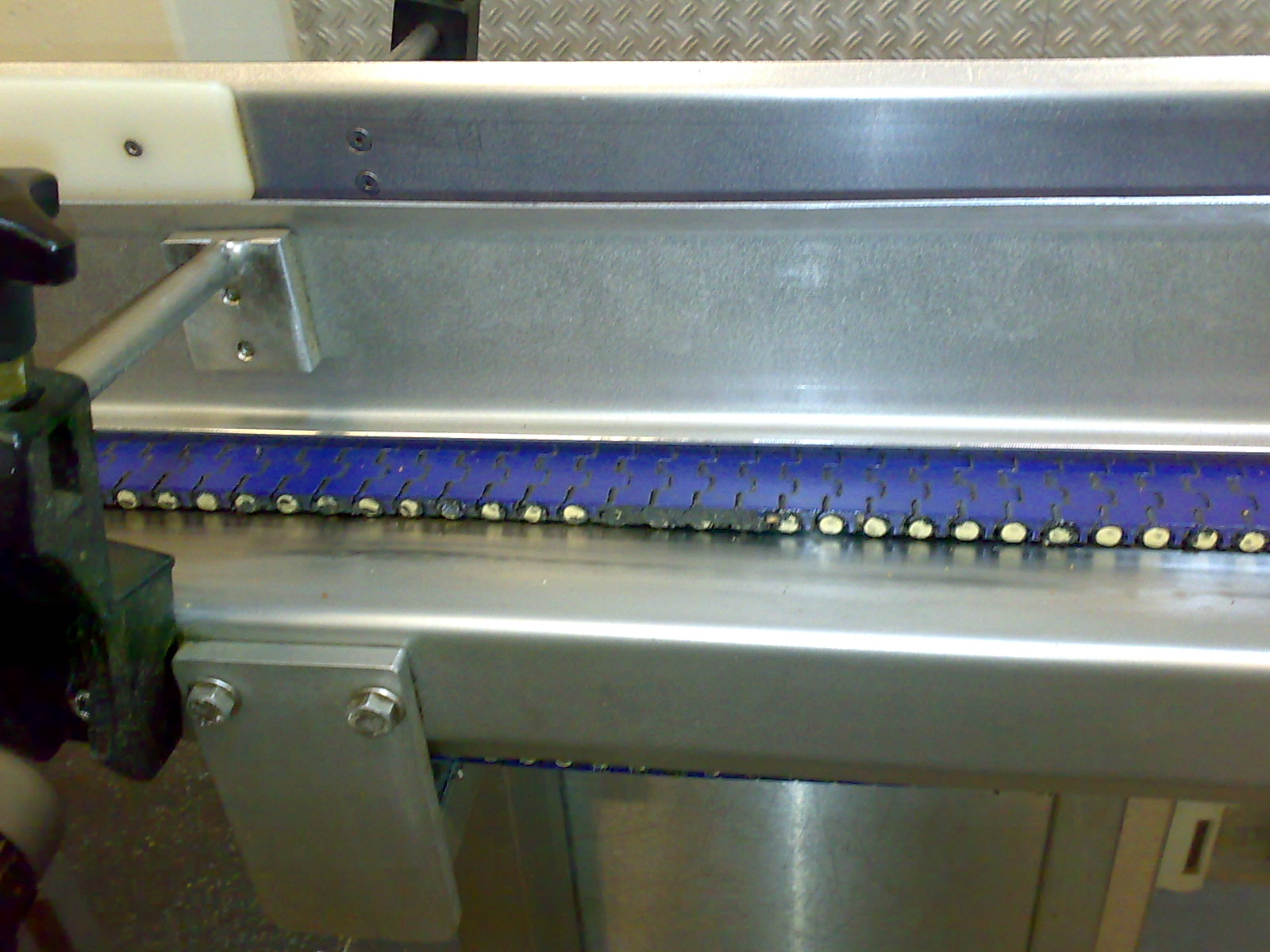
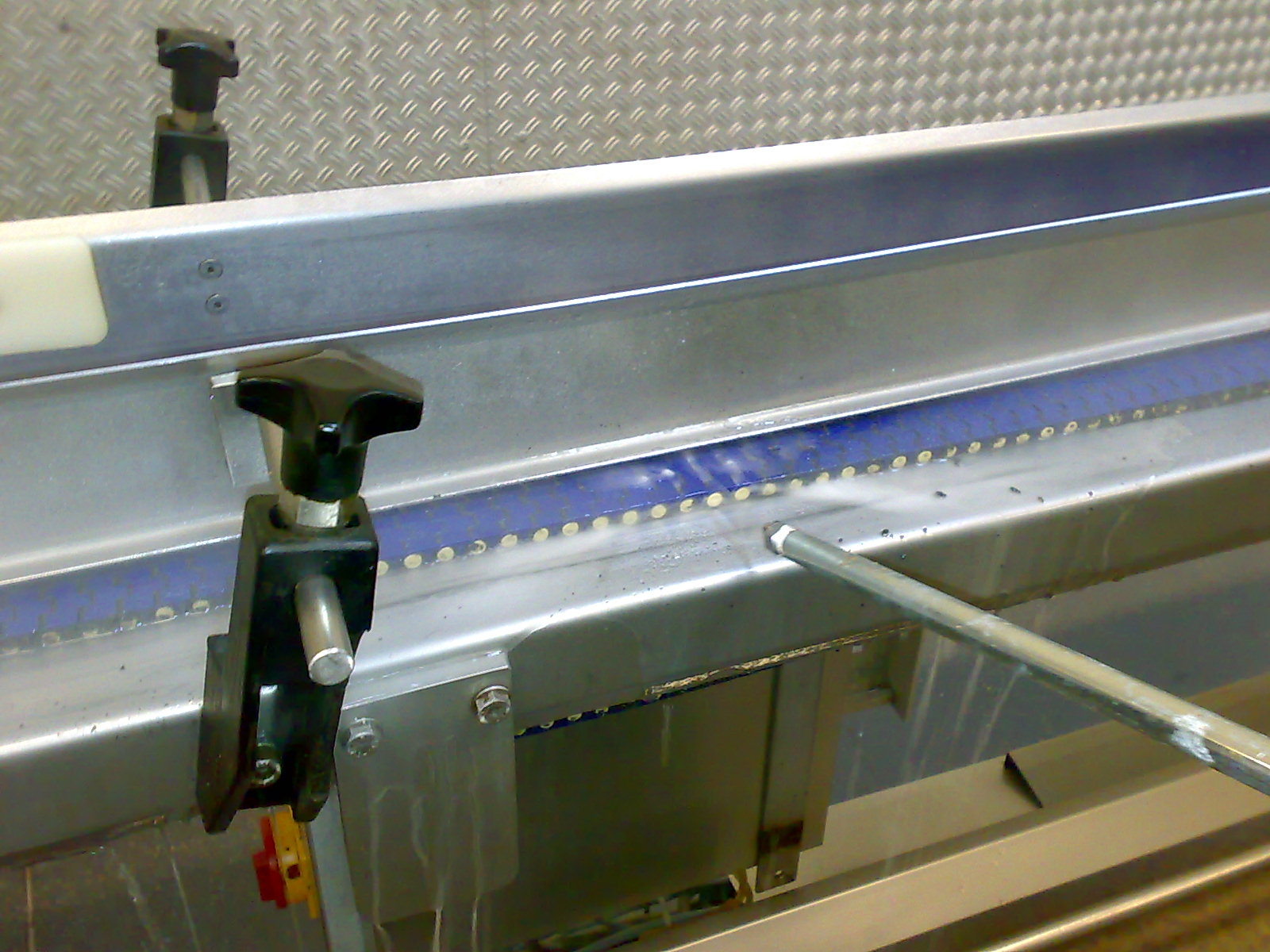
- Efficiency/quality: Fast and thorough cleaning. With the right spray accessories, also easy cleaning of hard-to-reach or fragile areas, e.g. at the rollers of conveyor belts, electric motors, cutting machines.
- No damage to sensitive parts thanks to the low pressure.
- Mobility: Units are mobile and largely self-contained, and can be pulled without any problem from one place of use to the next.
- Cleaning in production without any problem: no major splash-back effects, no droplet clouds, no aerosols and much more.
- Occupational and environmental protection, chemicals: No chemicals; this spares the environment, increases occupational safety and reduces costs.
- Economy: Considerably less working time when cleaning, considerably fewer resources, no chemicals.
- Overall: Comparatively low investment and hardly any running costs, but in return high efficiency and quality.
Conveyor belts with plastic rollers
DOWNLOAD
Cleaning in large-scale bakeries (PDF)Test your parts in a free demonstration
We clean with your specific contamination on site – so you see the result directly.
Request a free demonstrationCalculate amortisation for your case