
Commercial-vehicle cleaning in the workshop – trucks, buses, public transport, agricultural machinery
REQUIREMENTS
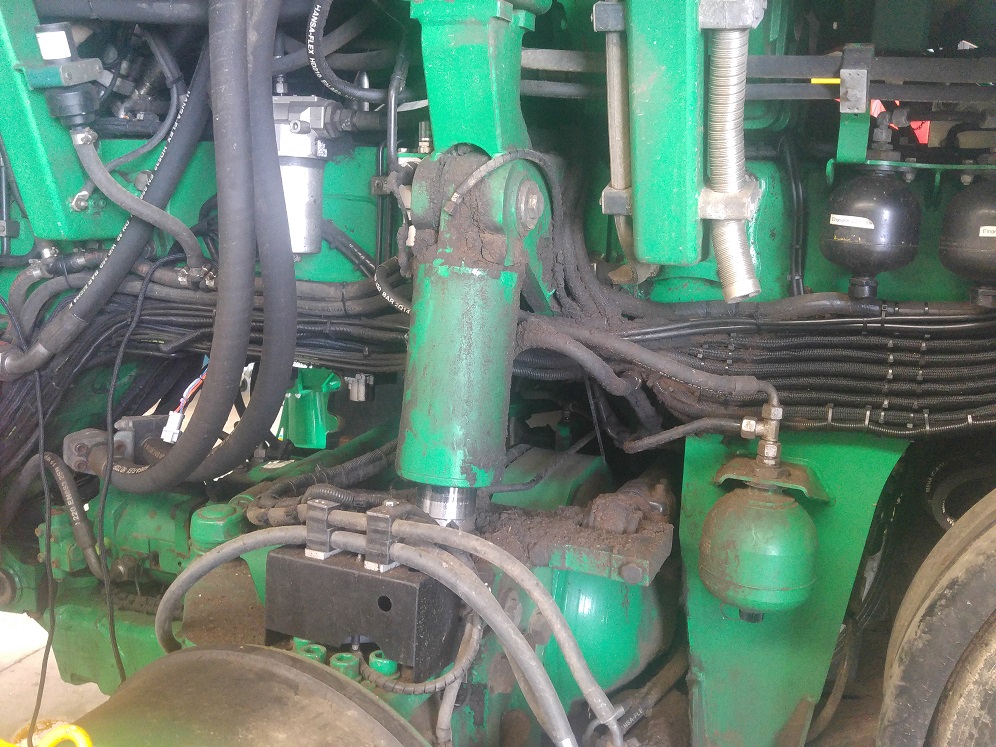
When repairing cars, individual parts are increasingly replaced rather than repaired. With commercial vehicles such as public-transport buses, trucks and agricultural machinery, however, the engine, engine bay, drum or disc brakes, clutch and gearbox, hydraulic parts and much more are actually still repaired – and therefore cleaned. Given the sheer size of some parts, this is often no easy task.
Besides road dirt on road vehicles and sludge and soil on agricultural machinery, what has to be cleaned off is above all abraded particles, oil residues and used oils, lubricating greases and grease residues, often mixed with chips or dusts from the respective use.
Given high staff costs, in practice there is really only one relevant requirement: it has to be fast.
Nevertheless, the statutory minimum requirements for environmental protection and workplace safety must also be met.
CONVENTIONAL METHODS
Depending on the specific application, high-pressure cleaners (HPC), cold or bio washing tables, or brake cleaner spray (A1 spray) are usually used. In most cases the parts in question have to be removed and transported from the lift to the bio or cold washing table, or directly to a cleaning room, and cleaned there.
These methods are all problematic:
- A1 sprays release VOCs (volatile organic compounds) and aerosols that ultimately reach the atmosphere unprotected and unfiltered. The loosened dirt is dissolved quickly and efficiently, but ends up one-to-one on the workshop floor. And while a single can of A1 spray may well be cheap, the costs quickly add up when large workshops get through entire pallets of it.
- Cold washing tables also release VOCs and aerosols that not only reach the atmosphere but are also inhaled by the staff working at the table – which is anything but healthy. In addition, the cost of refilling or replacing the solvents every few months is considerably higher than you might think.
- Even bio washing tables are ultimately chemical baths in which the bacteria are cultivated, with corresponding costs for procurement and disposal. On top of that comes considerable electricity consumption, since the nutrient solution has to be kept constantly at 36 °C.
- High-pressure cleaners, finally, require considerable amounts of water and, where applicable, chemicals – with corresponding disposal costs – as well as energy. They also require separate, capital-intensive wash rooms, and staff have to put on protective suits.
Except for A1 sprays, in all cases there is considerable removal and refitting time, plus transport or travel time to and from the wash room or washing table.
Ultimately, all these methods thus remain labour-intensive, resource-intensive and consequently expensive.
They are also harmful to the environment and pose considerable health risks for staff and thus for the business owner.
OUR SOLUTION
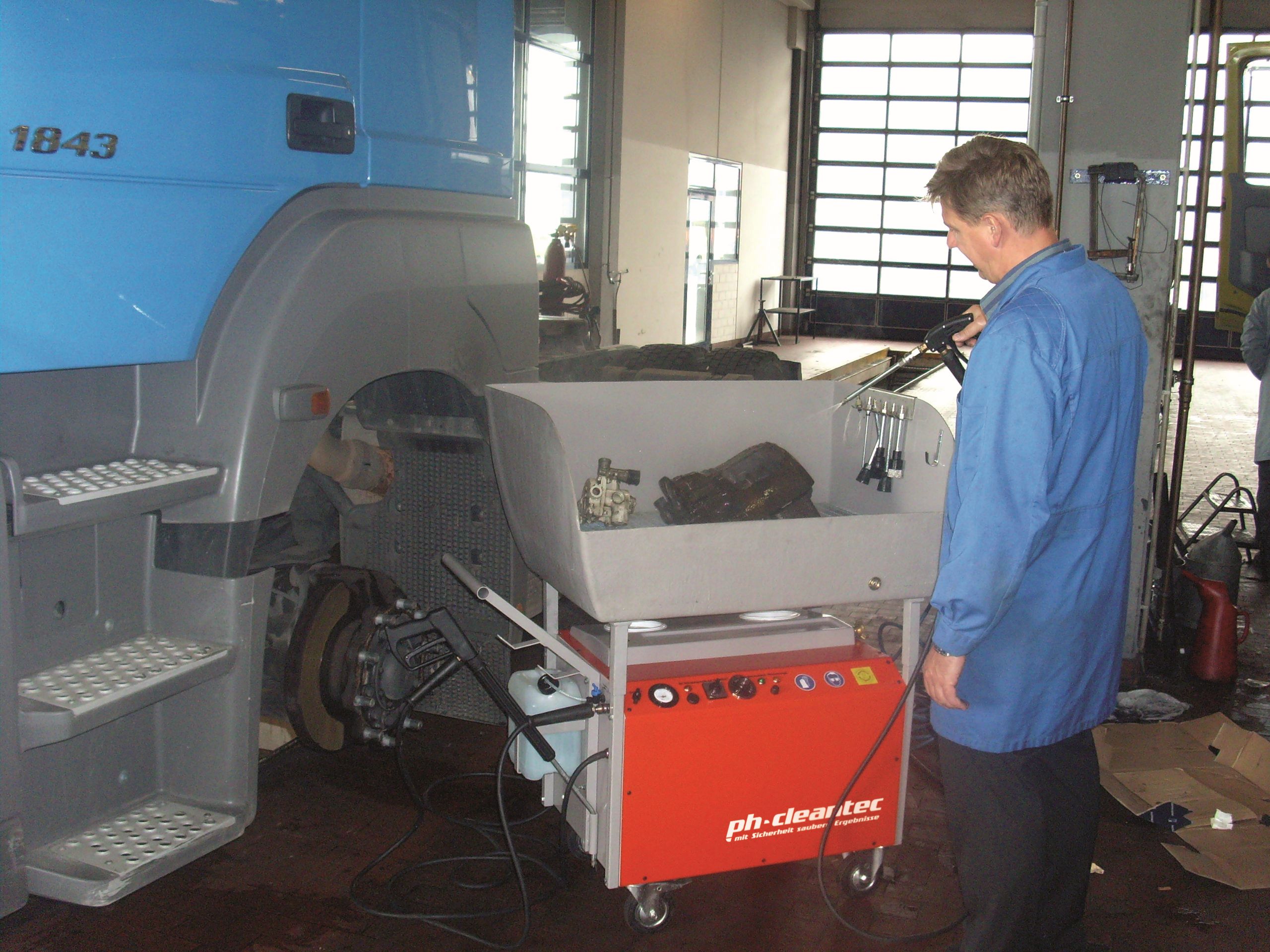
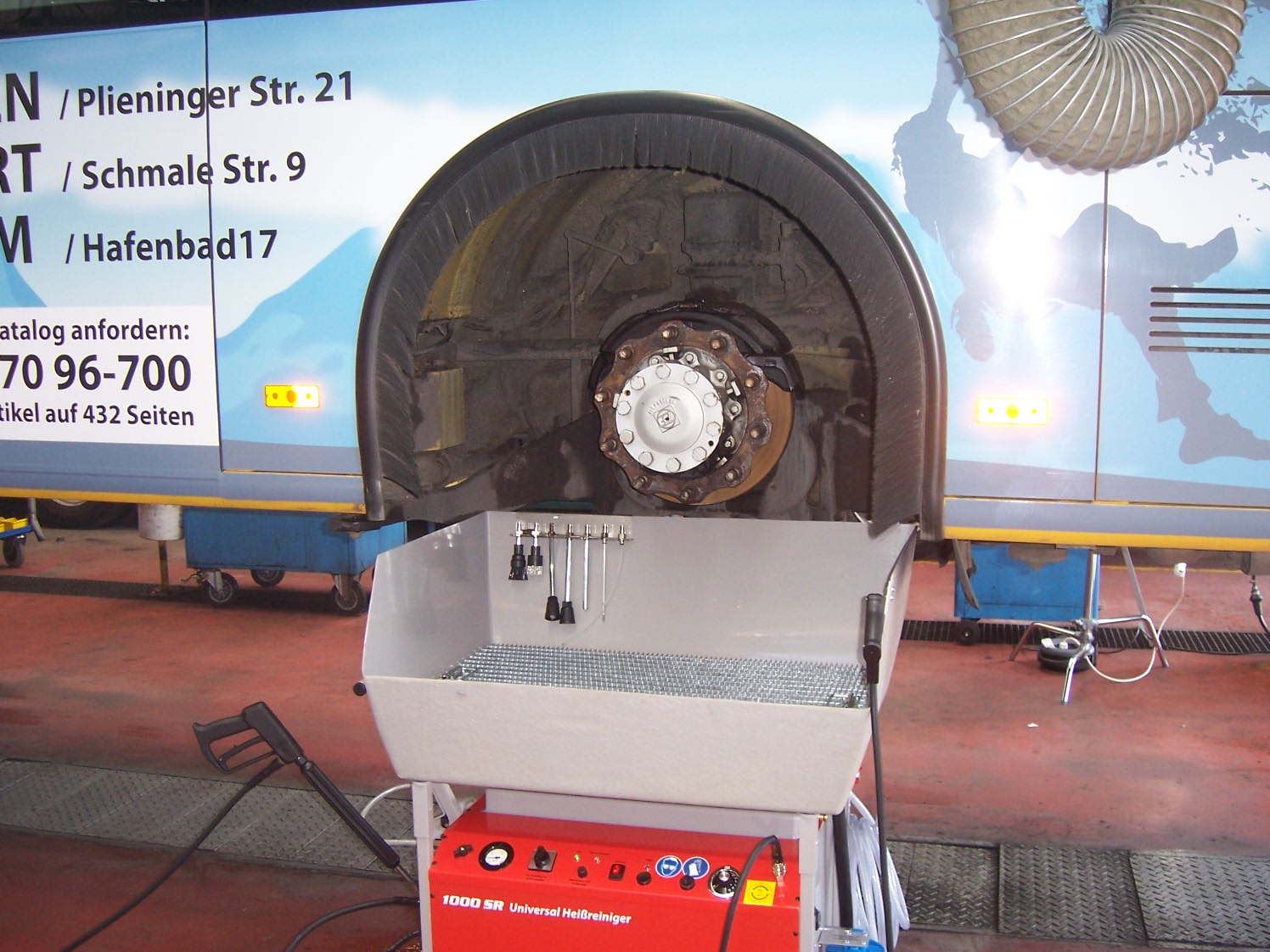
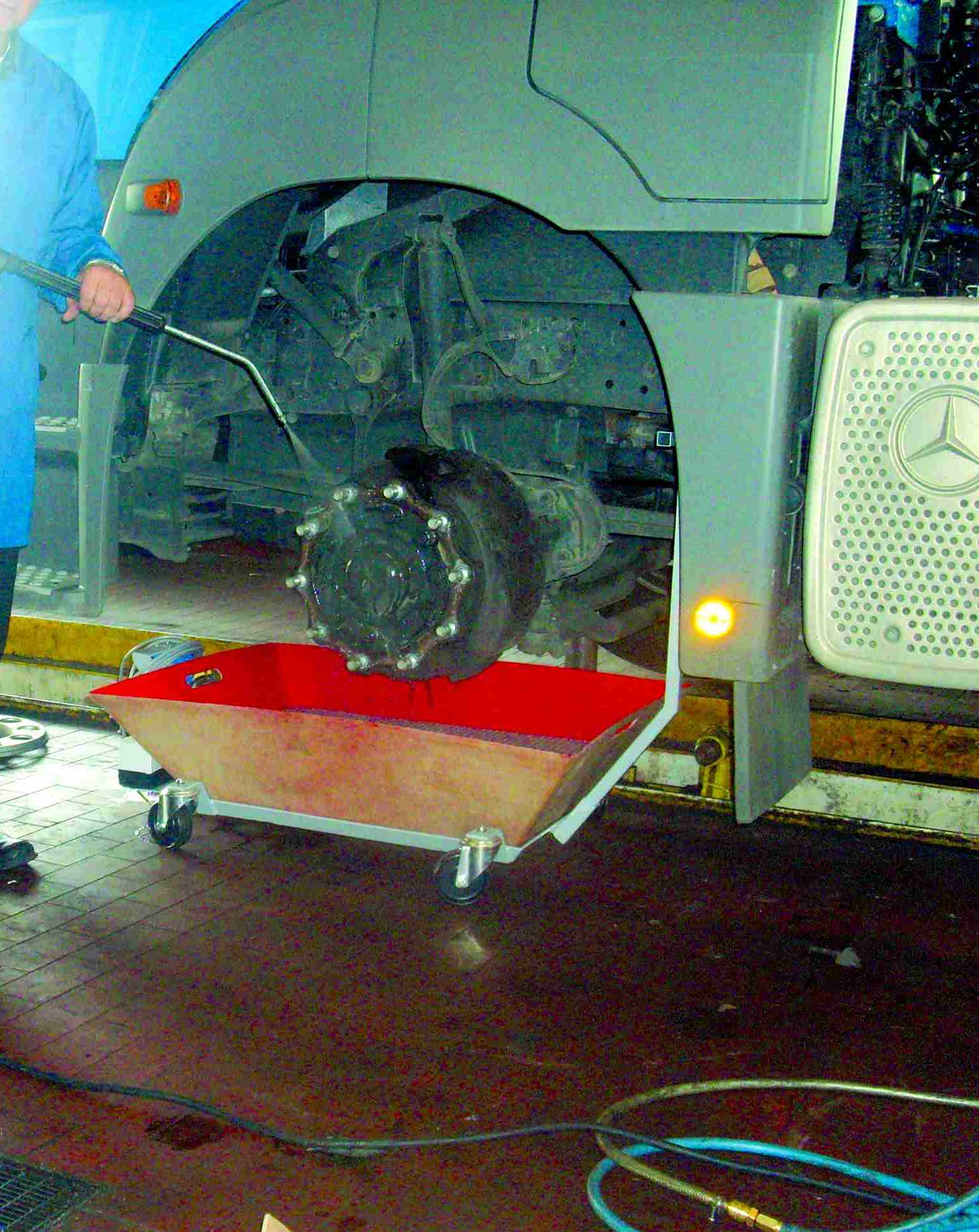
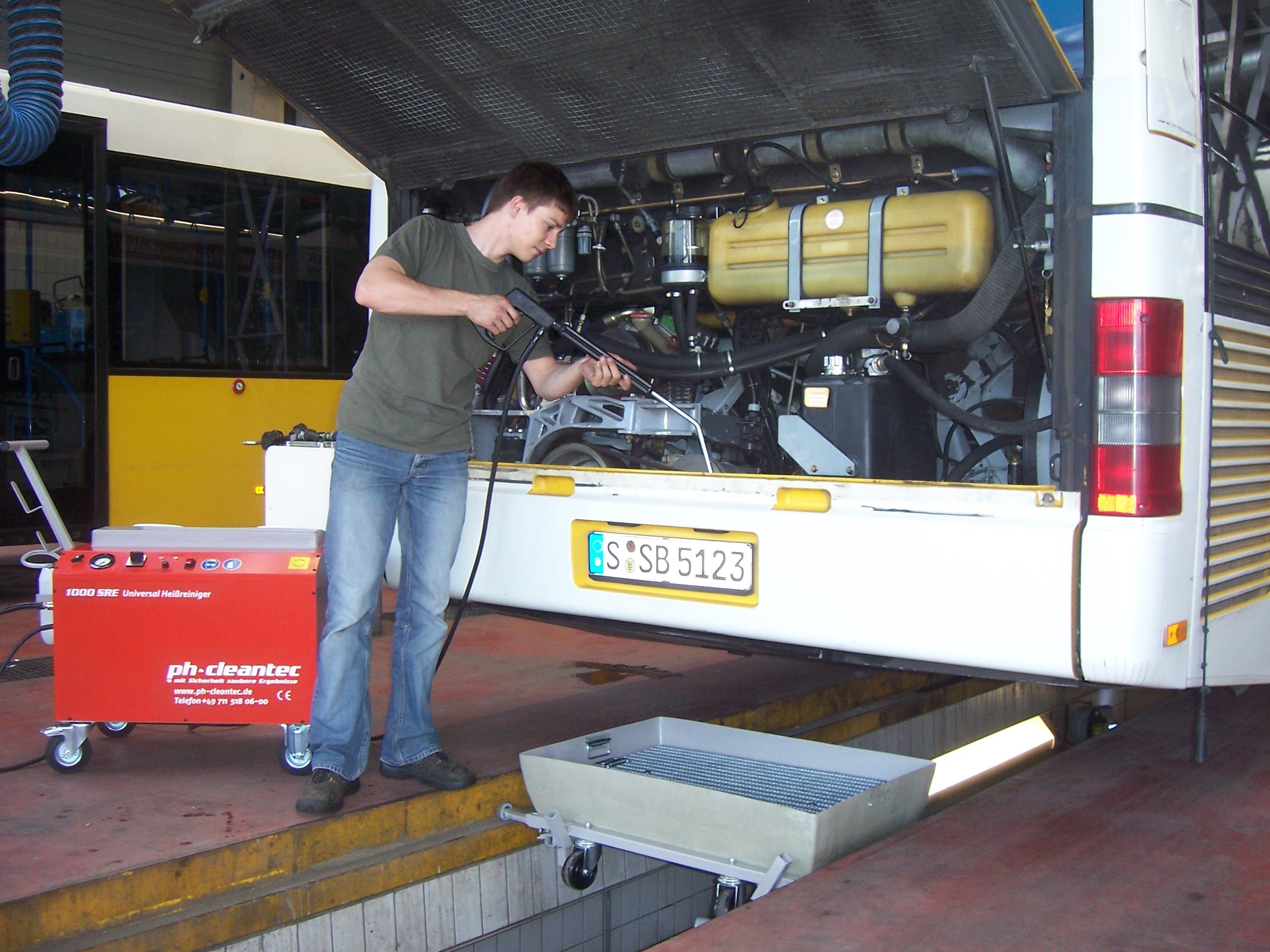
In contrast to the methods described, ph-cleantec’s hot-water cleaning devices use hardly any resources. Parts such as the engine and pistons, gearbox, shafts and axles, brakes or hydraulic components can often be cleaned directly at the lift – and therefore without expensive removal and, in any case, without expensive travel time. Above all, only a fraction of the time is needed compared with other methods – our customers regularly report 80–90% less working time, plus the travel time saved.
With 7.5 or 14 bar and 95 °C, small and large parts – from a piston to an entire gearbox – can be cleaned quickly and efficiently.
Greasy and oily contamination in particular is dissolved immediately by the high temperatures, and 7.5 or 14 bar is enough to carry the contamination away.
With the right nozzles, every blind hole and every crevice can be reached, and with our lances every large part too – all cleaned quickly and efficiently.
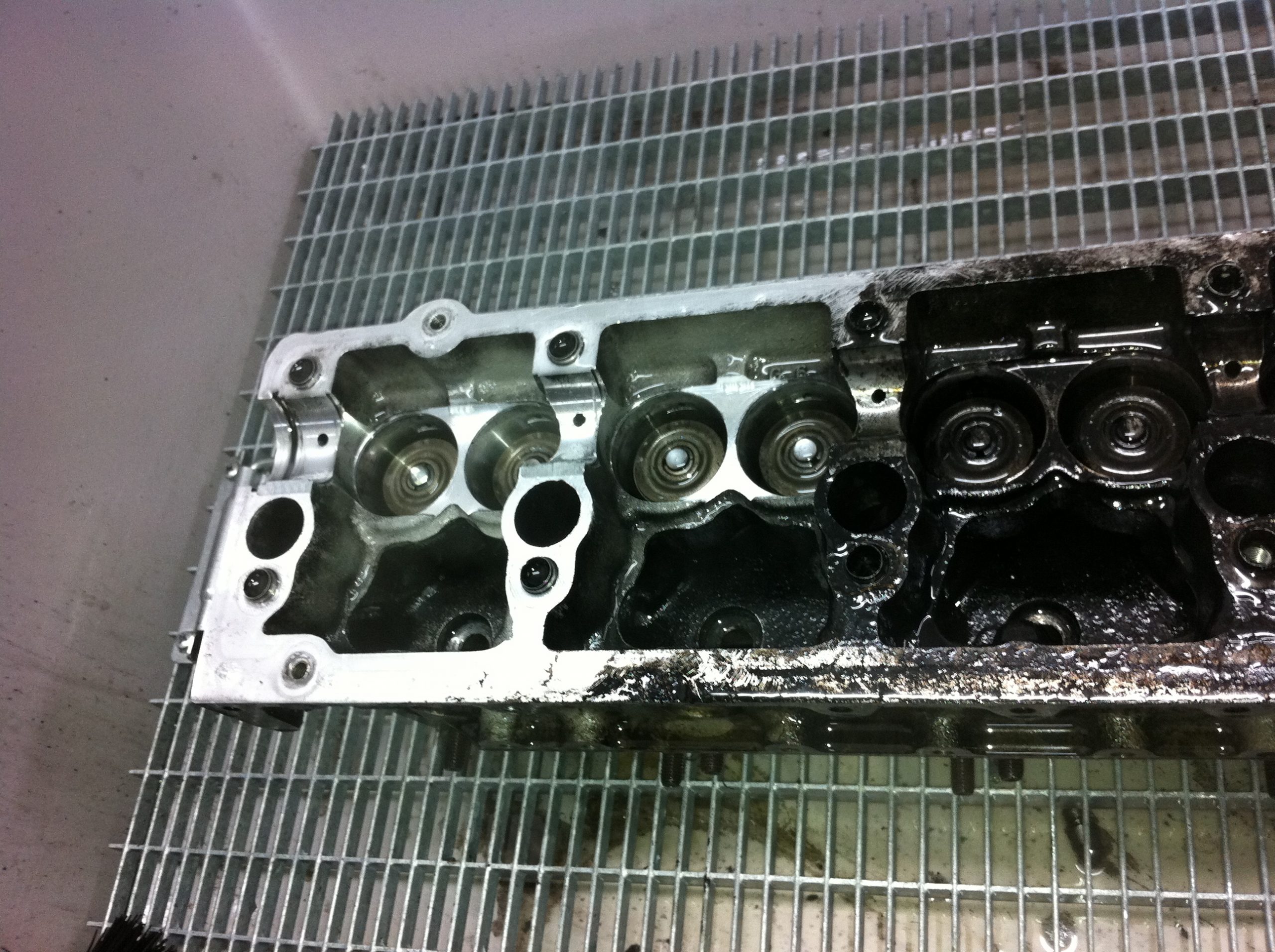
With the devices in our SR range, contamination is collected in the parts-cleaning level of the device, and the cleaning medium can be reused many times over. Alternatively, process water can be collected in our KW trays and then reused. This saves resources – water, waste water and electricity.
In addition, little or no chemicals are needed: for particularly stubborn contamination, small amounts of an alkaline cleaning agent – usually between 1 and 3% – can be added, which, thanks to recycling, can then also be reused many times over. If required, this cleaning agent can also contain temporary corrosion protection. Overall, only a fraction of the chemicals otherwise required is needed. This protects the environment as well as the health of employees, and thus increases workplace safety in the operation.
Because the devices are mobile, you can work directly on the vehicle – so travel times, and often even the removal of parts, are eliminated. At the same time, our collection trays can be ideally adapted to any pit size.
YOUR BENEFITS
- High temperature – up to 95 °C – enables complete cleaning in a short time, especially of oily and greasy parts.
- Low pressure – from 3 to 7.5 bar or from 3 to 14 bar – is entirely sufficient to loosen contamination but causes no damage.
- Enormous time savings thanks to fast, easy cleaning; with various lances and nozzles, even otherwise hard-to-access spots are no problem. Cleaning is often possible without removing the parts – which also saves time and money.
- Resource-saving – considerably less water and chemicals than comparable methods; hence lower procurement, storage and disposal costs, and no fire hazard.
- Therefore also easy on the environment and on health, in line with the requirements of the employers’ liability insurance association (BGR 157).
- For brake cleaning in particular, optimal cleaning and capture of harmful brake dust, with compliant wet cleaning ensured.
- The investment for a hot-water cleaning device is usually well below that of competing methods.
- Further benefits:
- Versatile – also for cleaning other parts or components
- Small footprint, no expensive installations
- Mobile – the hot-water cleaning device and KW trays are mobile, so no travel times; KW trays can be adapted to any pit size.
In summary: considerably less working time, barely any running costs, low investment, greater workplace safety and better environmental compatibility.
Cleaning in car and commercial-vehicle workshops
DOWNLOAD
Truck / commercial-vehicle cleaning – brakes, engine, gearbox (PDF)Test your parts in a free demonstration
We clean with your specific contamination on site – so you see the result directly.
Request a free demonstrationCalculate amortisation for your case