
Cleaning hydraulic blocks
REQUIREMENTS
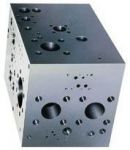
Hydraulic blocks are used in a multitude of applications. Cleaning the often complex blocks means a particular challenge, since the hydraulic oils as well as all dirt and dust residues in the complete block have to be removed, while at the same time accessibility, especially for conventional cleaning methods, is not given.
OUR SOLUTION
With the help of low-pressure hot-water cleaning, a dust- and grease-free cleaning is possible without any problem, even without aggressive cleaners.
Through a wide range of spray tools and nozzles, even deep passages can be cleaned very well. With the help of flexible nozzles and blind-hole nozzles, even the interiors of deep bores can be reached easily and cleaned. Through the low pressure, the contamination is moreover rinsed out without any problem and completely.
Thus, low-pressure hot-water cleaning also meets the high cleanliness requirements of the hydraulics sector with regard to residual dirt and solid particles.
Further benefits are the low water consumption, which results in only low costs; in addition, the cleaning medium can be run in a circuit, whereby residual oils are separated in the tray of the SR units. Therefore no separate wash bay with oil separator is needed.
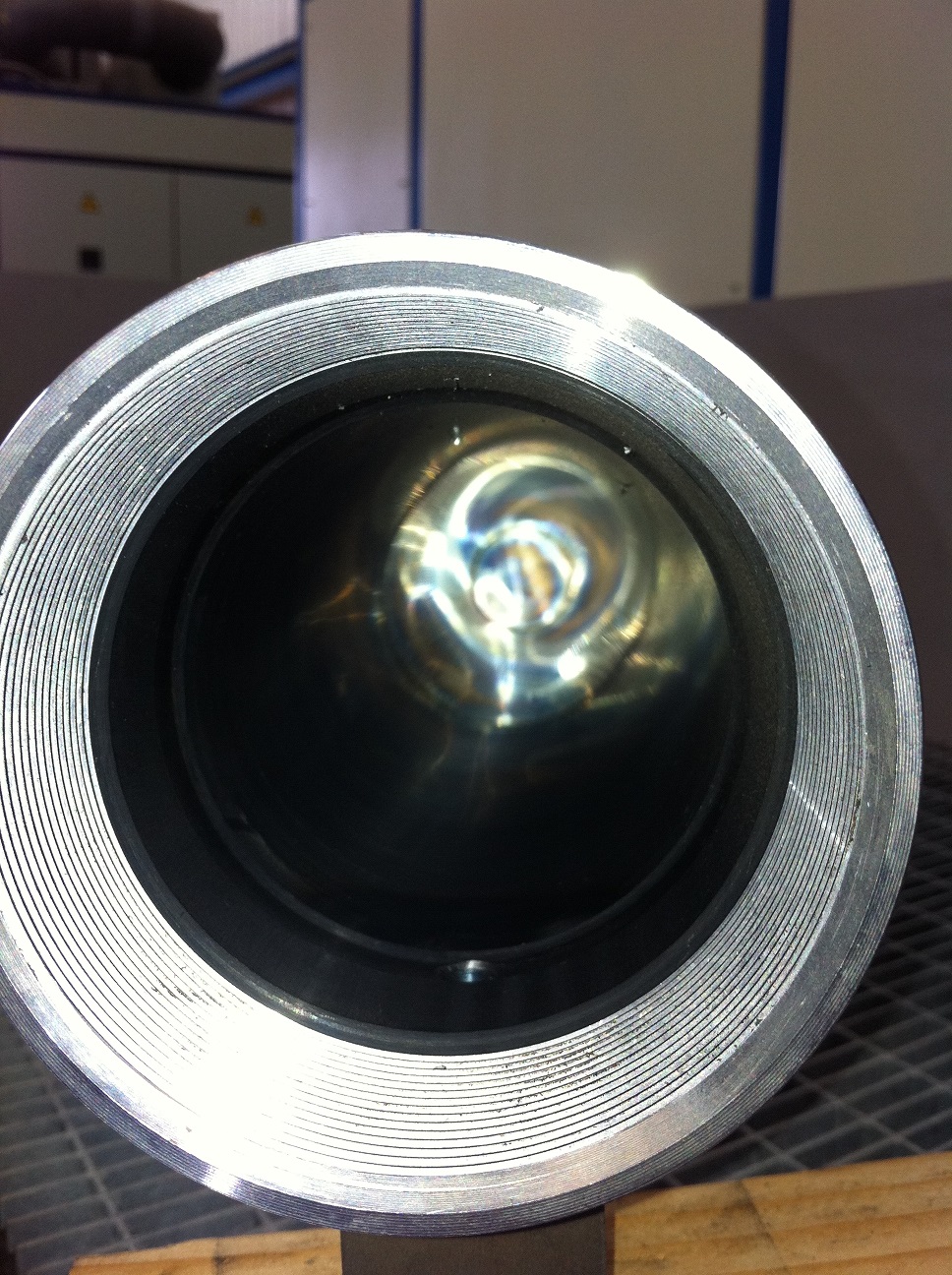
The size and weight of the hydraulic blocks are not a particular limitation either, as would be the case with ultrasonic baths or washing machines. When using a large floor tray, the hot-water cleaning system is also suitable for large and heavy hydraulic blocks, as the following video shows.
In fact, the low-pressure hot-water process is ideal for cleaning hydraulic parts in the broadest sense, simply because greases and oils can be cleaned ideally with water heated to 95°C and transported away ideally with low pressure.
However, in practice an alkaline cleaner with corrosion protection is usually added to avoid corrosion of the blocks. The workpiece can then be treated with a protective oil.
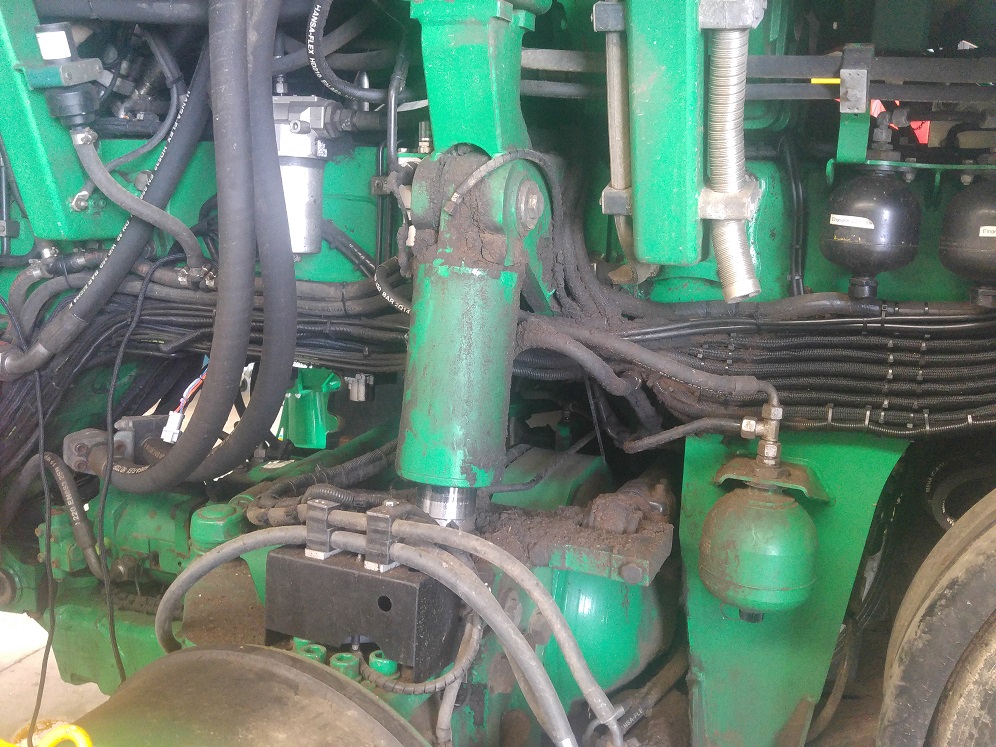
Typical application examples range from the hydraulic block through the hydraulic cylinder to the hydraulic press, with varied applications both in industry and in the field of cars and commercial vehicles.
YOUR BENEFITS
- Efficiency/quality: Fast and thorough cleaning, especially of oily contamination, because of the high working temperature of up to 95°C
- With the right nozzles, cleaning even inside the block is possible without any problem, see also the application report Cleaning complex cast parts
- No damage to the hydraulic part
- No restrictions regarding size or weight
- Mobility: Cleaning on site – the units are mobile and largely self-contained – saves assembly, travel and transfer times.
- Occupational and environmental protection/chemicals: If at all, only little chemicals are needed; this spares the environment, increases occupational safety and lowers costs
- Universal usability of the hot-water cleaning units, e.g. for servicing and maintenance or for machine and parts cleaning
- Ideal also for other hydraulic parts
- Economy: Considerably less working time when cleaning, as well as for assembly, travel and transfer times; less chemicals
- Overall: Comparatively low investment and hardly any running costs, but in return high efficiency and quality.
SEE ALSO
DOWNLOAD
Cleaning hydraulic blocks and parts (PDF)Test your parts in a free demonstration
We clean with your specific contamination on site – so you see the result directly.
Request a free demonstrationCalculate amortisation for your case